Looking for Los Angeles kitchen remodeling specialists who recognize Silver Lake minimalism from Mar Vista warmth, right-size HVAC for microclimates, and move permits quickly. They'll create practical work triangles, tuck storage, and use durable quartz or porcelain with low‑VOC finishes. Expect detailed budgets, 10-15% contingencies, clear schedules, and regular check‑ins. A single point of contact coordinates architects and trades, quickly resolves conflicts promptly, and keeps momentum to ensure on-schedule delivery. Keep reading for specifics that ensure smooth execution.
Core Insights
- Local Los Angeles expertise: knowledge of local codes, HPOZ considerations, microclimate variations, and local design preferences to deliver compliant and climate-adapted kitchen environments.
- Regulatory compliance expertise: facilitating quick permit approvals, sequential occupancy coordination, comprehensive inspection documentation, and seamless CO process finalization.
- Proven project management: detailed timelines, weekly status meetings, quick issue resolution, clear pricing, and drive to deliver as scheduled.
- Well-designed layouts and long-lasting materials: well-planned work zones, space-savvy storage, quartz and porcelain surfaces, and eco-friendly, green finishes.
- Managed team activities and documentation: shared drawings, RFIs, change orders, look-ahead schedules, and photo verification to maintain standards and verification.
Understanding Why Local Experience is Critical for Los Angeles Kitchen Remodeling
Given that LA kitchens exist at the convergence of rigid codes, climate zones, and different architecture, regional knowledge ensures your remodel smooth, compliant, and cost-effective. You get a team that knows how hillside condos need unique configurations, materials, and air circulation systems. They analyze local design preferences-like open-shelf minimalism in Silver Lake or wooden design features in Mar Vista-and implement options that remain contemporary without aging fast.
Area specialists address climate adaptation, choosing materials and finishes that handle marine air, dry heat, or Santa Ana winds. They optimize HVAC, lighting, and insulation to reduce energy consumption while ensuring comfort. You gain access to trusted suppliers for building materials and fixtures, ensuring timely delivery and quality results.
Understanding Building Requirements and Inspections With Ease
Minimize stress and save time when you understand which permits your LA kitchen remodel requires - structural, mechanical, electrical, or plumbing. We'll break down all permit categories and when you need them so you complete the proper applications the first time around. Then use a simple code compliance checklist to verify ventilation, clearances, egress, and GFCI placement before your inspections.
Permit Types Clarified
Though building permits may appear overwhelming, understanding the primary types and their requirements ensures your Los Angeles kitchen renovation stays on track and meets code requirements. You'll generally require building permits when undertaking modifications to layout, wall demolition, or window installation; mechanical system permits for moving HVAC or adding ventilation; permits for electrical work including new circuits, panel upgrades, or lighting changes; and permits for plumbing work such as moving gas lines, drain modifications, or fixture additions.
When dealing with landmarked properties or those in historic districts, special historic approvals might be necessary when making changes to surfaces or openings. For fast-track phases, builders often apply for quick-approval permits for matching modifications. If you need to coordinate move-in during construction, interim occupancy certificates can allow occupancy before completion. Moreover, you may need different permits for structural changes, fire safety systems, and exterior modifications.
Regulatory Compliance Checklist
Now that you've identified which permits are needed, create an organized list to ensure inspector approval and keep your project on track.
- Check project documentation: approved plans, project scope, and material specifications.
- Identify structural alterations and essential structural supports.
- Specify electrical modifications: containing circuits for small appliances, GFCI/AFCI protection, light fixture quantities, and electrical outlet placement.
- Verify plumbing installations: fixture locations, water shutoff points, ventilation, and backflow preventers.
- Verify HVAC system specifications: CFM requirements for hood, duct dimensions, termination points, and necessary make-up air.
- Document fire safety measures: smoke and CO detection systems, clearances to combustibles.
- Ensure proper accessibility standards regarding reach distances and counter heights as required.
- Schedule pre-drywall inspections in order: framing, electrical, plumbing, HVAC systems.
- Document with pictures any covered areas before final coverage.
- Record and maintain updates, mark timestamps for modifications, and keep plans current.
- Complete the closing phase with insulation and drywall installation, followed by inspections leading to the Certificate of Occupancy.
Intelligent Designs for City Living and Connected Living Spaces
Make the most of your layout by considering every square foot as prime real estate. Start with defining clear zones: cooking, prep, cleanup, and dining areas each need their own dedicated space. In space-limited cooking areas, ensure accessible pathways and choose a space-saving island or peninsula that functions as both a dining spot and storage solution. For open-concept spaces, utilize varied flooring patterns, strategic illumination, and architectural ceiling features to establish zones without walls.
Maximize efficiency in layout. Arrange the sink, cooktop, and refrigerator in a well-designed work triangle, and add landing zones next to each. Position tall storage along the perimeter to preserve clear sightlines. Choose pull-out pantries and corner units to eliminate wasted space. Plan traffic patterns away from cooking areas so visitors can gather while you prepare meals.
Material Selection: Quality Materials with Modern Design
When looking for surfaces that handle heat and stains, look into high-pressure laminates, porcelain, and quartz for exceptional durability. Match these with sustainable, low-VOC finishes for maintaining clean indoor air without compromising style. These options deliver long-term durability and a modern aesthetic perfect for Los Angeles living.
Heat and Stain Protection Surfaces
Although style sets the ambiance of your kitchen, heat- and stain-resistant surfaces handle the daily workload. You need materials that handle hot cookware, food spills, and regular cleaning without losing their appeal. Engineered quartz offers excellent defense against stains, etching, and moderate heat, so you can rest a warm pan briefly and wipe away spills without worry. For superior heat get more info resistance and clean, contemporary aesthetics, tempered porcelain excels on kitchen surfaces and decorative elements.
Pick finishes with minimal porosity and seamless designs to disguise wear. Select eased or beveled edges to minimize chipping, and opt for built-in heat-resistant surfaces near the stove. You may not always need sealants, but adhere to manufacturer care recommendations. With the proper surfaces, you'll cook with confidence and clean effortlessly.
Sustainable, Low-VOC Finishes
While striving for an exceptional appearance, opt for environmentally conscious, low-VOC materials that maintain indoor air quality and endure daily use. Select low VOC paints with third-party certifications to guarantee off-gassing remains minimal during and after installation. Plant-derived oils and water-based urethanes create robust finishes, resist stains, and keep smell minimal.
Choose reclaimed wood treatments on islands, beams, or shelves to add character without depleting fresh resources. Ask for FSC certification and non-toxic sealants to maintain the grain noticeable and the air clean. For cabinets, pick UV-cured coatings; they're resilient, fade-resistant, and minimal in solvents. On metal accents, powder coating surpasses spray enamel while reducing emissions. Check VOC data sheets with your contractor and create ventilation plans to ensure your remodel safe from day one.
Budgeting, Bids, and Transparent Project Timelines
Before selecting any finishes or fixtures, establish a clear budget, compare detailed bids, and finalize a realistic timeline. Begin by outlining a must-have scope and adding a contingency of 10-15% for surprises. Ask for detailed Cost breakdowns from each contractor detailing labor, materials, permits, appliances, and disposal to compare effectively. Clearly distinguish between allowances versus fixed prices, and obtain unit costs for potential changes.
Make sure to get a written timeline outlining milestones, lead times, and decision deadlines. Give preference to proposals that feature Timeline guarantees tied to payment stages and measurable progress. Verify the approach to timeline issues, what triggers scope adjustments, and the procedure for excess costs. Choose the proposal that optimally combines cost-effectiveness, openness, and time control-rather than just the cheapest option.
Coordinating Architects, Trades, and Communication
Once your budget, bids, and timeline are set, you need a team that works in harmony. You'll oversee contractor coordination by appointing a single point of contact-typically your general contractor-to manage architectural, engineering, and trade teams. Establish weekly reviews with structured agendas: project progress, site status, dependencies, and authorizations. Implement shared platforms for plans, information requests, and modifications so decisions are documented and trackable.
Secure stakeholder alignment at the outset. Validate timeline parameters, material availability, and key inspection points with every contractor-plumber, electrician, cabinetry, and countertop fabricators. Establish detailed look-ahead schedules that outline work sequences and handoffs, preventing delays. Implement uniform field communication: annotated blueprints, visual verification, and task lists refreshed daily. When issues arise, escalate quickly with viable choices, financial impacts, and project impacts. You'll sustain forward movement, mitigate potential issues, and finish on time.
Crafting Styles From Sleek Modern to Warm Transitional
While budgets and schedules are important, your kitchen's aesthetic establishes the tone you'll experience day after day-from clean, slab-front modern to welcoming, transitional comfort. Begin with defining how you cook, socialize, and clean, then align finishes and color palettes to complement that pattern. For a sleek modern style, choose minimalist cabinetry, integrated pulls, and clean-lined appliances, pairing quartz or porcelain with understated accents and dark matte elements.
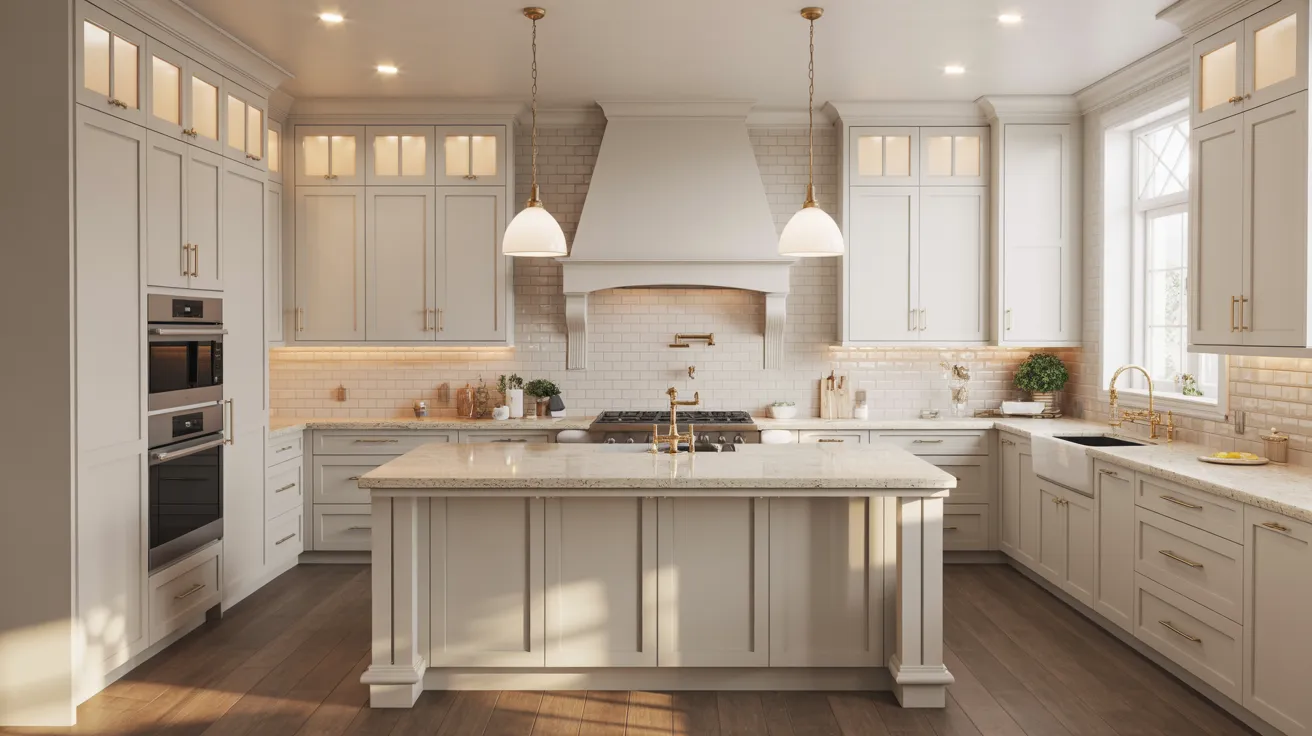
Interested in warm transitional decor? Integrate Shaker fronts, gentle profiles, and balanced tones-showcasing brushed brass, mid-warm woods, and multi-level lighting. Choose durable counters with delicate veining, add a furniture-style island, and mix textures while maintaining clean sightlines. Create intelligent and subtle storage, have hardware coordinate with fixtures, and anchor the room with a cohesive palette that remains current yet timeless.
Common Questions
What Methods Do You Use to Vet Subcontractors and Perform Background Checks?
The vetting process for subcontractors involves confirming qualifications, running background checks, and establishing clear standards. You start by qualification checks through state boards, followed by reference checks with previous clients and material providers. Following verification of insurance and workers' compensation coverage, you verify trade certifications and evaluate capabilities through initial test assignments. You insist on written scopes, adherence to safety protocols, and lien waivers. Furthermore, you monitor job site execution, record problems, and remove contractors who don't satisfy expectations.
What Warranty and After-Service Support Can I Expect?
You get a complete one-year workmanship warranty, as well as manufacturer-backed product coverage that we register for you. We provide extended warranty options for added peace of mind. After project completion, we offer finishing touches, quick-response service calls, and complimentary 30-day and 6-month check-ins. Prefer ongoing care? Choose our Maintenance plans for periodic inspections, caulk and grout refreshes, hardware adjustments, and appliance fit checks. We provide a single point of contact for service assistance.
How Do You Protect the Home During Demolition and Dust Control
We ensure your protection starts immediately: we isolate work areas with containment barriers, run HEPA filtration, and lay floor protection. Because dust can travel up to 50 feet in open spaces, we generate negative air pressure and implement zip-wall entries to trap particles. We cover vents, securely bag debris before removal, and conduct daily cleaning with HEPA vacuums and damp wipes. You'll also receive doorway seals and path runners to keep living areas clean and protected.
Do You Offer Eco-Friendly and Non-Toxic Construction Options?
Certainly, you can choose eco-friendly, non-toxic building techniques throughout your project. You'll have access to low VOC finishes for your finishing materials, plus eco-friendly cabinet alternatives or FSC-certified wood. You'll choose energy-efficient appliances, LED lighting, and water-saving fixtures. We'll use local suppliers when feasible, utilize salvaged materials, and manage waste responsibly. You'll obtain product certifications and details, and we'll work alongside green consultants if needed to achieve your sustainability targets and budget.
What's Your Approach to Change Orders and Unexpected Situations?
You handle change orders and unexpected discoveries using a structured, documented process. First, we pause work to analyze implications and outline options with comprehensive pricing and timeline impacts. Scope changes are authorized in writing ahead of implementation. We utilize contingency budgeting to handle surprises, limiting delays. Information is shared quickly, project plans are modified, and costs are tracked transparently. Moreover, we ensure code compliance, photograph conditions, and maintain a paper trail to keep decisions informed and keep projects on track.
To Conclude
You're ready to transform your kitchen into a functional and beautiful space. By partnering with trusted Los Angeles remodelers, you'll simplify the permitting process, perfect the floor plan, and choose long-lasting, stylish materials without surprises. Ensure transparent quotes, project timelines precise, and communication tight across architects and trades. Choose a style that matches your lifestyle, from contemporary minimalist to welcoming transitional. Consider this benefit: kitchen remodels can recoup 60-80% of costs at resale, enhancing home value and lifestyle.